How to promote annual wellness visits and preventive care to employees

Preventive care is often covered at no cost, but many employees don’t use it due to confusion, access barriers, or uncertainty about what’s included. This guide breaks down why annual wellness visits matter and how HR teams can promote preventive care through clear education, better access, and thoughtful communication. The result is healthier employees and more value from employer-sponsored benefits.
Preventive care is one of the most valuable benefits employers offer, and one of the most underused. Annual wellness visits, preventive screenings, and routine checkups are often covered at no cost to employees, yet many people skip them due to confusion, time constraints, or uncertainty about what’s actually included. This gap matters because many common health conditions, like high blood pressure, high cholesterol, and prediabetes, can develop quietly for years before symptoms appear.
Preventive care helps catch these risk factors early, when small changes and routine monitoring can prevent disease progression and reduce the need for more complex treatment later. For employees, that means staying healthier and avoiding unnecessary stress or surprises. For employers, it means a healthier workforce, fewer avoidable escalations in care, and stronger long-term outcomes. That’s why promoting preventive care isn’t just about cost control, it’s about making sure employees actually get the full value of the benefits offered to them.
Here’s how to encourage employees to use preventive care, starting with the annual wellness visit.
What is preventive care?
Preventive care refers to health services that help prevent illness, detect conditions early, and support long-term well-being. This includes services like annual wellness visits, routine screenings, immunizations, and certain types of counseling.
Under most ACA-compliant health plans, preventive care is covered at 100% when employees see an in-network provider and the visit is billed correctly. That means no copay, no deductible, and no coinsurance.
Despite this, many employees don’t fully understand what preventive care includes or how to use it, which leads to missed opportunities for early intervention.
What is an annual wellness visit?
An annual wellness visit is a preventive appointment with a primary care provider that focuses on overall health, risk assessment, and prevention. It typically includes:
- A review of medical and family history
- Basic health measurements like blood pressure and BMI
- Age- and risk-based screenings
- Lifestyle counseling related to nutrition, exercise, sleep, and stress
For many employees, the annual wellness visit is the foundation of preventive health. It’s often fully covered under preventive care benefits, but confusion about terminology and billing prevents people from scheduling it.
Why employees skip preventive care
Even when coverage is strong, utilization can lag. Common reasons include:
- Not knowing what preventive care includes or what to ask for when scheduling
- Fear of surprise medical bills, especially due to confusion around preventive vs diagnostic care
- Difficulty finding an in-network provider or a primary care doctor
- Long wait times or limited appointment availability, with some providers booking months in advance
- Busy schedules and difficulty taking time off for appointments
- Lack of reminders or encouragement to prioritize preventive care
Understanding these barriers helps HR teams design more effective outreach and support.
Why preventive care billing is confusing for employees
Billing confusion is one of the biggest reasons employees don’t use preventive care, even when it’s covered. Two related concepts tend to cause the most uncertainty: the difference between a wellness exam and a physical, and the distinction between preventive and diagnostic care.
Wellness exam vs physical
- A wellness exam, often called an annual wellness visit, focuses on prevention, health history, and long-term planning.
- A physical exam may involve more hands-on evaluation or addressing specific symptoms.
If an employee asks for a physical instead of a wellness visit, or raises new health concerns during the appointment, the visit may shift from preventive to diagnostic. That shift can result in unexpected out-of-pocket costs.
Preventive care vs diagnostic care
- Preventive care is intended for routine, proactive services when an employee isn’t experiencing symptoms.
- Diagnostic care is used to evaluate or treat a specific condition or concern.
For example, a cholesterol screening during a routine wellness visit is typically preventive, whereas follow-up testing or additional evaluation after abnormal results is often billed as diagnostic.
These distinctions aren’t intuitive for most employees, but they directly affect how a visit is billed. Without clear guidance, many people avoid scheduling care altogether out of fear of surprise costs. Helping employees understand these differences is one of the most effective ways HR teams can increase preventive care utilization.
How HR teams can promote annual wellness visits
Through clear communication, thoughtful reminders, and practical support, employers can help employees take advantage of preventive care in a way that benefits both individual health and the organization as a whole.
Start with clear, repeated education
Education should not be a one-time message during open enrollment. Preventive care education works best when it’s repeated and reinforced throughout the year.
Effective tactics include:
- Simple explanations of what preventive care is and what’s covered
- Clear guidance on how to schedule an annual wellness visit
- FAQs explaining preventive vs diagnostic care
- Examples of common services that are covered at no cost
Plain language matters here. Avoid insurance jargon whenever possible.
Use multiple channels to reach employees where they are
Promoting annual wellness visits works best when information shows up in more than one place. Employees don’t all engage with benefits the same way, and a single email or open enrollment message is easy to miss. Using multiple channels and tools helps reinforce the message, reduce confusion, and make preventive care feel more accessible.
Effective channels may include:
- Benefits guides and onboarding materials
- Email campaigns and newsletters
- Slack or internal messaging tools
- HR portals or benefits platforms
- Manager talking points and team meetings
- Text or app-based reminders, when available
- Company meetings or town halls
Using technology to meet employees where they already spend time increases the likelihood that preventive care messages are seen, understood, and acted on. Repetition across channels isn’t noise, it’s reinforcement.
Normalize preventive care as part of work culture
Employees are more likely to use preventive care when leadership treats it as normal and encouraged.
Ways to do this include:
- Encouraging managers to support time off for wellness visits
- Sharing reminders that preventive care is part of total compensation
- Having leaders talk openly about prioritizing their own health
When preventive care is positioned as a standard part of work life, not an exception, participation increases.
Reduce time and access barriers
Even motivated employees may struggle to schedule preventive care, especially when providers are booked far in advance or it’s unclear where to start. HR teams can help remove these friction points by making access simpler and more transparent.
Consider supporting preventive health by:
- Offering paid time off for medical appointments so employees don’t have to choose between work and care
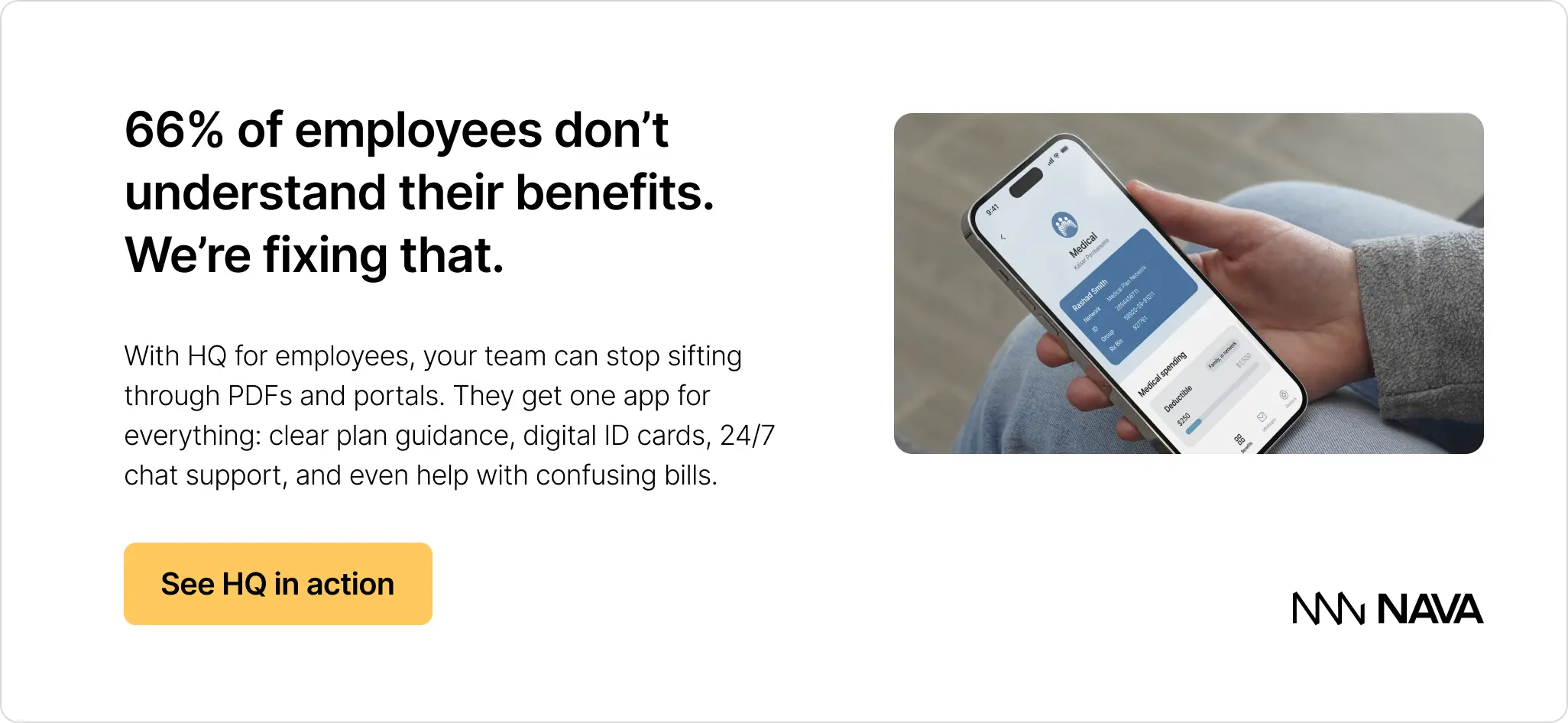
- Sharing tools that help employees find in-network primary care providers, such as benefits platforms or care navigation tools like HQ for Employees, which can guide employees to covered providers and next steps
- Highlighting virtual care options when appropriate, such as telehealth visits for general primary care, follow-ups, or initial conversations that help employees establish care or prepare for an in-person wellness visit
The easier it is to take action, the more likely employees are to follow through on preventive care.
Use strategic reminders throughout the year
Preventive care promotion works best as a campaign, not a single message.
Touchpoints might include:
- A reminder at the start of the plan year
- Mid-year nudges tied to common screenings
- Open enrollment reinforcement
- End-of-year reminders for anyone who hasn’t scheduled a visit
Consistent reminders help employees prioritize care before the year gets away from them.
Measuring success beyond cost savings
While preventive care can help manage long-term costs, the impact goes beyond claims.
HR teams can measure success through:
- Increased utilization of annual wellness visits
- Higher engagement with primary care
- Improved employee understanding of benefits
- Positive feedback on benefits communications
Preventive health is as much about trust and clarity as it is about utilization metrics.
Why preventive health is worth the effort
Promoting preventive care helps employees take control of their health, reduces avoidable surprises in the healthcare system, and reinforces the value of employer-sponsored benefits.
When employees understand what preventive care is, what’s covered, and how to use it, they are more likely to schedule annual wellness visits and engage in preventive health behaviors that benefit both them and the organization.