

Notes from our expert team.

August 13, 2026
Employee benefits
AI for employee benefits compliance: what HR leaders need to know
AI is starting to take over the busywork of benefits compliance: tracking ACA and COBRA deadlines, catching enrollment data errors, and flagging outdated plan language. It can't take over the judgment calls, and with ACA penalties rising again in 2026, those calls still carry real financial risk. HR leaders considering AI compliance tools should start with one task, keep a person reviewing the output, and expand only once the tool proves it can be trusted. That's the same principle behind Nava HQ: AI does the watching, but a dedicated advisor still owns the outcome.
Explore topics
August 13, 2026
Employee benefits
AI for employee benefits compliance: what HR leaders need to know
AI is starting to take over the busywork of benefits compliance: tracking ACA and COBRA deadlines, catching enrollment data errors, and flagging outdated plan language. It can't take over the judgment calls, and with ACA penalties rising again in 2026, those calls still carry real financial risk. HR leaders considering AI compliance tools should start with one task, keep a person reviewing the output, and expand only once the tool proves it can be trusted. That's the same principle behind Nava HQ: AI does the watching, but a dedicated advisor still owns the outcome.
.webp)
July 2, 2026
Employee benefits
Pharmacy benefit managers are under scrutiny: What PBM reform means for your plan
Most self-funded employers are paying more for prescription drugs than they realize, not because drug prices are opaque (though they are), but because the companies managing their pharmacy benefits are built on compensation models that aren't required to be disclosed. That's changing. New federal rules are putting pressure on pharmacy benefit managers to show their work, and employers who understand what to ask for are in a much stronger position at renewal than those who don't.
.webp)
June 26, 2026
Employee benefits
How to benchmark your employee benefits: a practical guide for HR teams
Most companies benchmark their benefits once a year, buried inside a renewal conversation. This post argues that's too late. A renewal tells you what your benefits will cost; benchmarking tells you whether that cost is buying competitive value — and those are two very different questions. Using free public data sources like KFF, BLS, SHRM, and IFEBP, HR teams can compare their health plans, contributions, leave policies, and emerging benefits against peer companies by industry, region, and size. The post walks through a five-step process for doing that analysis, introduces Nava HQ as a tool that makes live benchmarking data accessible without waiting for a broker, and closes with a framework for translating findings into three types of action: plan redesign, carrier negotiation, or budget reallocation.
.webp)
June 22, 2026
Employee benefits
Student loan repayment as an employee benefit: the employer's 2026 guide
Student loan debt is a financial pressure point for a large share of the workforce, and most employers still aren't doing anything about it. That changed meaningfully in 2025: the One Big Beautiful Bill Act made employer student loan repayment assistance a permanent tax-free benefit under Section 127, removing the expiration date that had kept many employers from building real programs around it. Combined with the SECURE 2.0 401(k) match provision, which lets employers make retirement contributions on behalf of employees who are paying down loans instead of saving, there are now two distinct and complementary tools available. With only 14% of employers currently offering student loan assistance, this is still a genuine differentiator for recruiting and retention.
June 24, 2026
Employee benefits
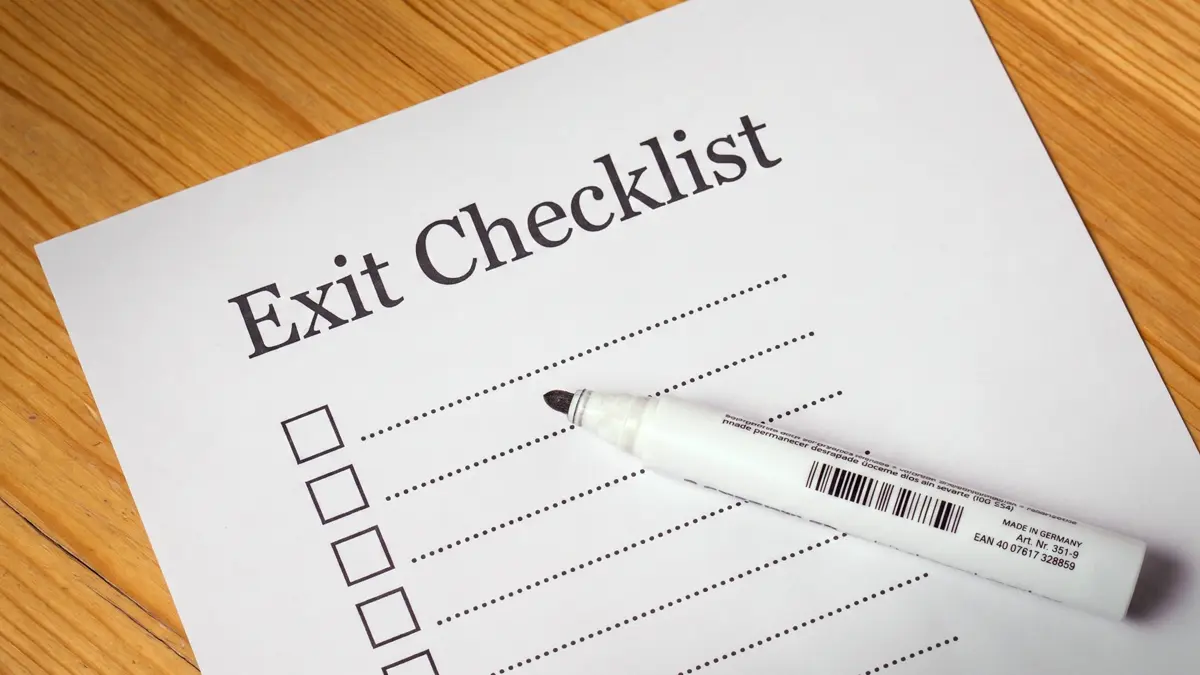
Your complete PEO transition checklist: when to leave and how to get it done
Most companies start with a PEO for good reasons. At a certain point, usually around 75-150 employees, the math changes. This post gives HR leaders a practical, phase-by-phase checklist for exiting a PEO without disrupting employee benefits, including what to do 6-9 months out, 30-60 days out, and after the transition is complete. It also covers the biggest risk most teams underestimate: benefits coverage gaps.

May 29, 2026
Employee benefits
How smart HR leaders build an airtight financial case for benefits investment
CFOs don't see benefits as a business investment by default. That's HR's job to change. This post gives HR leaders a practical framework for quantifying benefits ROI in financial terms, covering turnover costs, absenteeism, health plan spend, and what finance teams actually want to see when you walk into that conversation.
.webp)
May 21, 2026
Employee benefits
How to turn your claims data into smarter benefits decisions
Most self-funded employers have access to more data about their health plan than they realize, and most of them aren't using it. Claims data shows exactly where your money is going, which cost drivers are structural vs. one-time, and where there's room to intervene. This guide breaks down what's actually in a claims report, how to spot what matters, and how to work with your broker to turn findings into concrete action before your next renewal.
.webp)
May 19, 2026
Employee benefits
What a competitive parental leave policy looks like in 2026 (and how to get there)
Parental leave has become one of the clearest signals employees use to evaluate whether a company's values hold up in practice. This post gives HR leaders the benchmark data they need to evaluate where their policy stands, understand what employees actually expect in 2026, and make the case internally for going above average.
.webp)
April 16, 2026
Employee benefits
What is a lifestyle spending account (LSA)? A guide for HR leaders
Lifestyle spending accounts (LSAs) are employer-funded benefits that give employees flexible dollars to spend across a defined set of categories, from fitness and mental health to childcare, professional development, and beyond. Unlike traditional benefits that assume a one-size-fits-all workforce, LSAs put choice in the employee's hands, increasing perceived value without necessarily increasing employer spend. This guide covers what LSAs are, how they work, what they typically cover, and what HR leaders should weigh before adding one to their benefits strategy.
.webp)
March 30, 2026
Employee benefits
How women in HR are redesigning benefits to drive equity in the workplace
Women make up the majority of the HR profession and are increasingly reshaping benefits strategy with workplace equity as the explicit goal. Equity in the workplace means giving employees access to what they actually need to participate and advance, not just equal access to the same resources. For HR leaders, that distinction has real implications for how benefits are designed, what gets measured, and which gaps are worth closing. This post breaks down what equity-driven benefits look like in practice, why women in HR are leading the charge, and how any HR leader can start applying the same framework.

March 12, 2026
Employee benefits
How to build women's health benefits that work across every stage of a career
Women's health is a career-long conversation, but most benefit packages treat it as a single moment. This piece breaks down six areas where employer coverage still falls short, from menstrual and hormonal health to menopause and chronic conditions, and highlights what leading companies are doing differently. Whether you're an HR leader benchmarking your benefits or an employee who's felt the gaps firsthand, it's a look at what genuinely inclusive coverage can look like.
.webp)
March 2, 2026
Employee benefits
Invisible labor and workplace equity: the role of employee benefits
Women make up nearly half of the U.S. workforce, yet research shows they continue to carry a disproportionate share of invisible labor, from caregiving responsibilities to health coordination and administrative load. These structural realities can quietly shape retention, advancement, and burnout, even in organizations committed to fairness. By designing employee benefits strategy with workplace equity in mind, HR leaders can reduce hidden strain and create more sustainable, measurable outcomes.

1 / 7
Next
