How your benefits broker can help you amp up your 401(k) strategy
.webp)
A 401(k) is one of the most valued benefits you offer, but many plans are left on autopilot. This blog explores how a strategic broker can help you optimize vendor selection, benchmark plan design, drive employee participation, and manage complex transitions like PEO exits. When approached thoughtfully, your 401(k) can become a powerful tool for retention, engagement, and long-term financial wellness.
For many companies, the 401(k) is one of the most valued benefits they offer. It is also one of the least optimized.
Plans are often selected during a moment of growth or transition, then left largely untouched for years. Meanwhile, your workforce evolves. Your compensation philosophy shifts. Market benchmarks change. And employee expectations around financial wellness increase.
Today’s HR leaders aren’t just responsible for offering a retirement plan. They’re expected to drive participation, improve financial outcomes, and ensure their total rewards strategy stays competitive.
The right broker can help you do exactly that.
Here’s how a strategic broker partner can help you elevate your 401(k) from a box to check into a true total rewards differentiator.
How your employee benefits broker can help strengthen your 401(k) strategy
A modern broker should do more than place coverage and renew contracts. When it comes to retirement benefits, they should act as a strategic partner who helps you design, evaluate, communicate, and evolve your plan over time.
Here are four ways a broker can meaningfully strengthen your 401(k) strategy.
1. Help you select the right 401(k) vendor
Your 401(k) strategy begins with choosing the right provider. But vendor selection is about more than brand recognition or a competitive fee quote.
A strong broker should start by helping you clarify what you’re optimizing for, such as:
- Lower fees and cost transparency
- High-touch service and support
- Seamless payroll integration
- Fiduciary guidance and compliance support
- A better employee experience
From there, your broker should run a structured evaluation process that includes:
- Fee comparisons and disclosure review
- Recordkeeping capabilities and investment options
- Service model and implementation support
- Payroll and benefits administration integration
- A realistic timeline for rollout and migration
Too often, HR teams choose a vendor based on familiarity alone. A strategic broker helps you look at the full picture so you can build the right foundation from day one.
2. Benchmark plan design and align it to total rewards
A 401(k) should not be a set it and forget it benefit. As your company grows and the market evolves, your plan should evolve too.
Your broker can help you benchmark key plan elements, including:
- Employer match structure
- Eligibility and vesting schedules
- Participation rates
- Average deferral rates
- Total plan fees
This type of benchmarking helps HR leaders answer questions like:
- Is our plan competitive for recruiting and retention?
- Are employees actually using the benefit?
- Are our fees reasonable compared to similar employers?
- Are we using plan design features that drive better outcomes?
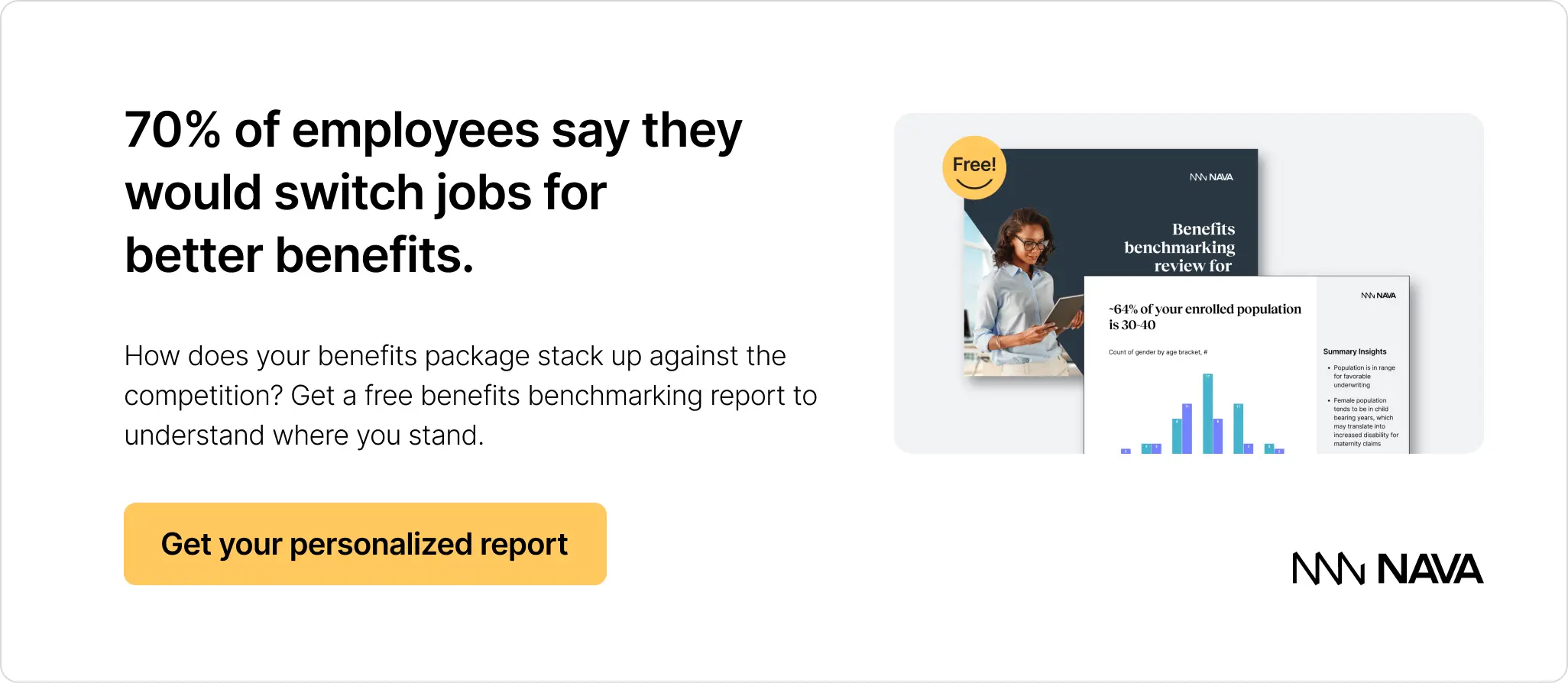
Plan design levers such as auto enrollment, auto escalation, and eligibility timing can meaningfully improve employee outcomes. The right broker helps you translate plan data into clear recommendations, not just spreadsheets.
3. Increase participation through employee education
Even the best designed plan will fall short if employees don’t understand it or use it.
Many employees feel overwhelmed by retirement decisions. A broker can help you turn your 401(k) into a more visible and engaging benefit by supporting education throughout the year.
For example, your broker can help you:
- Integrate 401(k) messaging into Open Enrollment
- Ensure your benefits guide explains the plan clearly
- Coordinate education sessions with your provider
- Create targeted communications for different employee groups
- Reinforce retirement savings as part of broader financial wellness
It also helps to focus on the moments when employees are most likely to engage:
- New hire onboarding
- Open Enrollment
- Major life events such as promotions or family changes
When education is consistent and well-timed, participation and contribution rates tend to improve over time.
4. Coordinate PEO transitions and 401(k) migrations
Some of the most important 401(k) decisions happen during moments of change.
Exiting a PEO, completing an acquisition, or reaching a new stage of growth often requires reevaluating your retirement plan structure. These transitions can be complex, and without strong coordination, companies risk employee confusion, payroll issues, and missed deadlines.
A broker can project-manage the transition by helping you:
- Evaluate and select a new provider
- Design the standalone plan
- Coordinate payroll and benefits admin integration
- Build a clear implementation timeline
- Create employee communications and enrollment support
Handled thoughtfully, a PEO transition is not just an administrative hurdle. It is an opportunity to strengthen your retirement offering and improve the employee experience.
Questions every HR leader should ask their broker
If your broker is a true strategic partner, they should be able to confidently answer questions like:
- When was the last time we benchmarked our 401(k) plan?
- How competitive are our plan fees?
- How does our employer match compare to similar companies?
- What is our current participation rate and how does it stack up?
- How do you support employee education beyond Open Enrollment?
- Have you managed 401(k) transitions during a PEO exit?
If these conversations are not happening, it may be time to rethink how your retirement strategy is supported.
Your 401(k) should evolve as your company grows
Your 401(k) is more than a compliance requirement. It’s a signal to employees about how much you invest in their long-term financial well being.
When designed strategically and supported consistently, it can:
- Improve retention
- Strengthen recruiting competitiveness
- Support financial wellness
- Reinforce your compensation philosophy
The right broker helps you continuously evaluate, refine, and strengthen your plan so it grows alongside your company.
At Nava, we believe your 401(k) strategy should be as thoughtful and data driven as your health benefits strategy. When retirement benefits are integrated into your broader total rewards approach, they become a powerful tool for supporting both your business and your people.
If you’re rethinking your 401(k) vendor, benchmarking your plan, or navigating a PEO transition, now is the right time to ensure your broker is helping you fully optimize your strategy.