


19 strategies to help lean HR teams manage employee benefits without burning out
.webp)
Managing employee benefits can overwhelm lean HR teams, especially without a dedicated benefits function. This guide shares 19 practical strategies to reduce administrative burden, streamline support, and empower employees to self-serve. With the right partners, tools, and systems, even small HR teams can deliver a confident, effective benefits experience.
When your HR team is one person or part of someone’s job, employee benefits questions can feel overwhelming. Managing employee benefits is one of the most time intensive parts of HR work. Benefits and payroll administration alone take up 20 hours or more per week for over a quarter of HR professionals, while 73% of employees say they want more education on their benefits. Open enrollment, onboarding, and day-to-day claims issues can quickly turn into hours of one off support, especially when there isn’t a dedicated benefits team to lean on.
The good news is you don’t need a full HR department to deliver a great benefits experience. With the right partners, technology, and processes in place, even very small teams can support employees with confidence. In this blog, we’ll lay out practical tactics to help you streamline benefits administration, cut down on repetitive questions, and build a benefits support system that actually works when your HR team is stretched thin.
Why benefits administration feels so time consuming
Benefits administration absorbs far more time than most leaders expect. HR professionals, especially in smaller companies, commonly spend hours each week on tasks like:
- Answering employee questions about which plan to choose
- Helping employees find ID cards or navigate carrier portals
- Fixing payroll deductions or managing eligibility
- Processing qualifying life events, such as adding newborns or removing dependents
- Repeating the same explanations to different employees throughout the year
These tasks multiply during onboarding cycles and open enrollment, which is why it can feel like benefits are taking over the HR inbox.
When benefits work starts to crowd out everything else, the solution isn’t working longer hours. It’s putting the right systems and support in place so fewer questions land in your inbox in the first place. The tactics below focus on how lean HR teams can streamline benefits administration by leaning on the right partners, tools, and communities.
How can lean HR teams build a strong benefits support system?
If you don’t have a full HR team, the support you get from your benefits community becomes even more important. Think of your ecosystem as three parts: your broker, benefits technology, and HR peers.
How should a benefits broker support a lean HR team?
A proactive broker should reduce your administrative burden, not increase it. Look for a partner who:
- Answers routine employee questions
- Supports enrollment and QLE processing
- Provides clear escalation paths for complex issues
- Writes employee friendly communications that reduce confusion.
Your broker should function as a natural extension of your team so you don’t spend time troubleshooting issues alone.
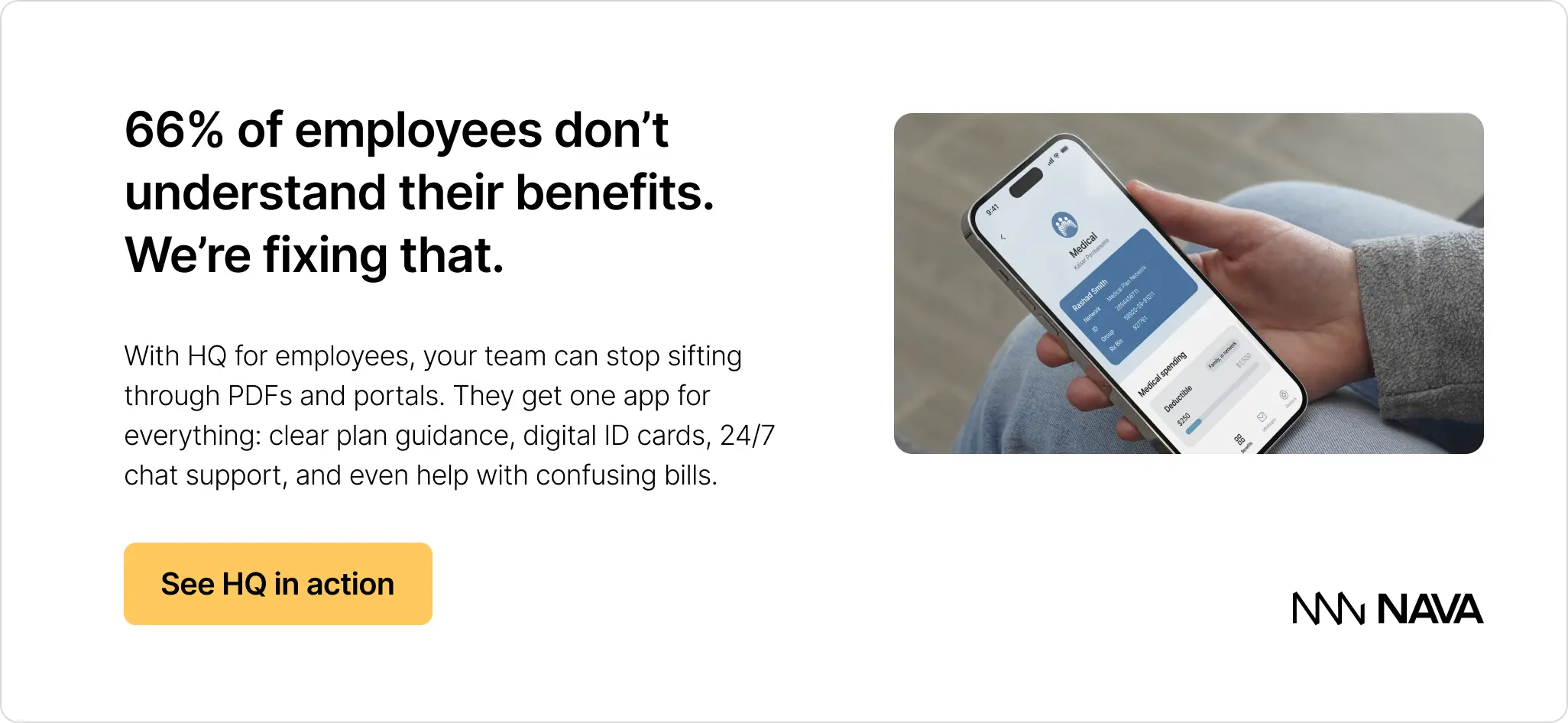
What role does benefits technology play in reducing HR workload?
Modern benefits platforms can eliminate a surprising amount of repetitive work. Strong technology should:
- Walk employees through their plan options in simple, friendly language
- Give employees instant access to ID cards and plan documents
- Automate QLE workflows so employees know exactly what to do
- Reduce the number of “which plan should I pick” questions with decision support tools
If your platform creates more work than it solves, it may be time for an upgrade.
Why are HR peer communities so valuable for small teams?
Without an internal HR team to lean on, peer communities become especially valuable. These are HR leaders facing the same benefits challenges, employee questions, and resource constraints.
Peer communities often act as a stand-in team when you need:
- A second opinion
- A gut check
- Reassurance that you’re not missing something
HR leaders frequently share templates, communication examples, and vendor referrals that save time and reduce trial and error. Communities like PeopleTech Partners, Nava’s Change Agents community, HR Slack groups, and LinkedIn HR forums can also serve as a quick sounding board when new challenges come up.
How can HR teams reduce day-to-day benefits questions?
Most benefits questions are predictable. When you create simple systems, you reduce the number of repeat interruptions.
Build a tier zero resource library
Start by creating a central location that holds:
- A short, skimmable benefits FAQ
- A single link to all enrollment resources
- Step by step instructions for common tasks, such as accessing ID cards
- Short videos or explanations of how to choose a plan
When employees know where to look first, questions decrease significantly
Route questions to the right source
Employees often guess who to contact. You can save time by setting clear expectations about what belongs where. For example:
- Plan coverage and claims questions go to the carrier
- Enrollment and QLE questions go to your broker
- Sensitive, confidential, or complex issues stay with HR
When employees build the habit of going to the right source, HR support time drops.
Use templates and light automations
Simple tools can cut hours from your week. Examples include:
- Pre-written responses for common questions
- Auto-replies that give employees next steps for events like QLEs or new hire onboarding
- Short intake forms that gather basic information before you begin troubleshooting
These small steps save time and deliver a more consistent experience for employees.
How can HR teams make QLEs and enrollment less chaotic?
Qualifying life events can take a surprising amount of time for small teams. You can streamline the process by:
- Using one consistent workflow for reporting life events
- Partnering with your broker to handle documentation review
- Automating payroll corrections or providing a simple checklist for your finance team
- Reviewing QLE and enrollment trends so you can anticipate busy times of the year
Clear, predictable systems reduce last minute scrambles for both HR and employees.
How can data improve benefits processes over time?
Your benefits tech platform and your broker can help you track trends that highlight where employees get stuck. You can pull insights such as:
- The types of questions employees ask most often
- What times of year question volume spikes
- Whether certain plan explanations confuse people
Once you see the patterns, you can update your FAQs, adjust your new hire training, or create targeted resources for the most confusing issues.
How can HR teach employees to self-serve with confidence?
Even small improvements in employee education can dramatically reduce questions. Try simple approaches like:
- A 15-minute benefits overview during onboarding
- A short guide that explains how to choose a plan using three basic criteria
- Clear instructions on where to find ID cards, plan information, and cost details
Employees prefer confidence and clarity. When they know how to help themselves, HR time opens up quickly.
Key takeaways
- You don’t need a large HR team to deliver a strong benefits experience. Lean teams can succeed with the right partners, tools, and systems in place.
- Benefits administration becomes overwhelming when systems are unclear. Repetitive questions, manual workflows, and unclear ownership drive unnecessary work.
- A strong benefits ecosystem matters. Proactive broker support, modern benefits technology, and HR peer communities act as an extension of your team.
- Self-service reduces burnout. Tier-zero resources, clear routing rules, and employee education significantly cut down day-to-day interruptions.
- Simple automation goes a long way. Templates, intake forms, and automated workflows save time while creating a more consistent employee experience.
- Predictable processes reduce chaos. Standardizing QLEs and enrollment workflows prevents last-minute scrambles for HR and employees.
- Data helps you improve over time. Tracking common questions and seasonal spikes allows you to fix issues before they escalate.
- Employee confidence is the goal. When employees know where to go and how to help themselves, HR teams regain time and focus.


.webp)
.webp)